
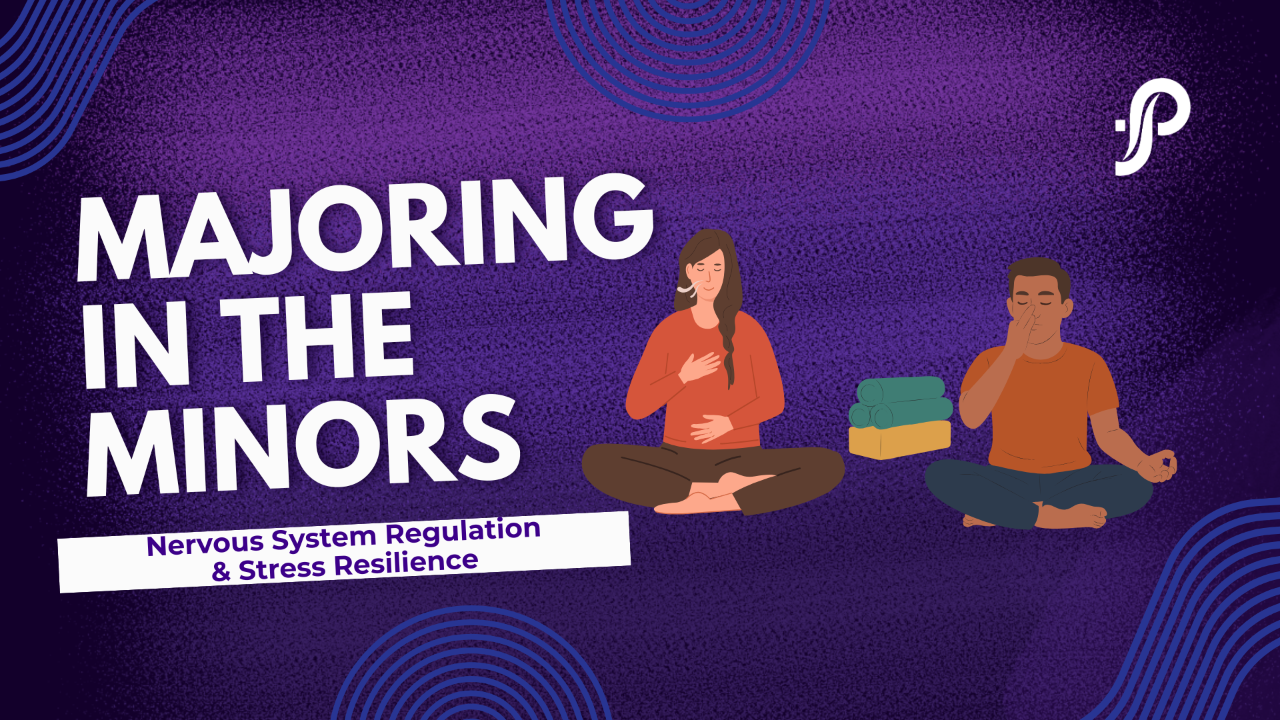
Majoring in the Minors- Week 6
Jan 20, 2026Nervous System Regulation and Stress Resilience
At this point in the Majoring in the Minors series, we’ve talked about heat and cold exposure, light, air and water quality, household products, and supplementation. On the surface, these topics can seem unrelated. But in reality, they all feed into the same system. And that system is the nervous system.
The nervous system sets the tone for how your body experiences the world. It determines whether you feel calm or on edge, focused or scattered, energized or exhausted. It influences how well you sleep, how well you digest food, how you recover from workouts, and even how effectively nutrition and supplements work. If the nervous system is dysregulated, everything else feels harder than it should.
Most people think of stress as something external. Deadlines, traffic, work, family responsibilities, finances. But stress isn’t just a circumstance. It’s a physiological state. And many people are living in a constant low-grade fight-or-flight response without realizing it.
When the nervous system is stuck in this high-alert mode, the body prioritizes survival over repair. Sleep becomes lighter and less restorative. Recovery slows down. Digestion is compromised. Focus becomes harder to sustain. Training adaptations don’t land the way they should. Mood and patience shorten. This isn’t a motivation problem or a discipline issue. It’s a system that never fully powers down.
That’s why simply telling people to “relax” doesn’t work. You can’t think your way out of a physiological state. The body needs signals of safety before it’s willing to let its guard down.
One of the simplest and most effective ways to send that signal is through breathing. A very accessible starting point is a slow nasal breath in for about four seconds, followed by a longer exhale of six to eight seconds. That longer exhale is key. It stimulates the parasympathetic nervous system and tells the body it’s okay to stand down. Doing this for just two to five minutes can noticeably shift how you feel. Many people are surprised by how quickly their heart rate drops and their mind feels clearer.
Another powerful tool is learning to create small pauses between stimulus and response. Most of us move through the day reacting automatically. Emails, notifications, conversations, stressors — the nervous system fires instantly. A simple practice here is to pause before responding to anything that creates tension. Take one slow breath before replying to a message, before standing up from your desk, or before transitioning between tasks. That moment of pause gives the nervous system a chance to recalibrate instead of staying on high alert all day.
Movement also plays a major role in regulation, but not all movement needs to be intense. Walking is one of the most underrated nervous system regulators we have. A ten to fifteen minute walk, especially outdoors, can lower stress hormones and improve mood almost immediately. Slow, controlled strength training can have a similar effect when it’s done with intention rather than rushing. The goal isn’t to exhaust yourself, but to remind the body that movement doesn’t always equal threat.
Another simple strategy is downshifting the nervous system in the evening to prepare for sleep. Dimming lights, limiting screen exposure when possible, and creating a short wind-down routine all help signal that the day is ending. Even something as simple as sitting quietly for five minutes before bed and focusing on slow breathing can improve sleep quality over time. You’re teaching your body that rest is safe.
It’s also important to recognize that chronic stress doesn’t only come from obvious sources. Poor sleep, under-eating, overtraining, constant stimulation, and environmental stressors all add to the load. That’s why this topic fits so well into the larger series. Nervous system regulation isn’t a standalone habit. It’s influenced by everything we’ve already talked about.
When people feel stuck despite “doing all the right things,” nervous system overload is often the missing piece. They’re training hard, eating better, maybe even supplementing, but their body never feels safe enough to fully adapt. Bringing the nervous system back into balance doesn’t make someone soft. It makes them more resilient.
This is where real progress happens. Not by pushing harder, but by teaching the body how to recover.
As we move forward in this series, the goal remains the same. These “minors” aren’t flashy. They don’t promise overnight transformation. But they quietly remove friction, allowing the foundations of health to actually work.
In the next post, we’ll shift focus again and talk about movement snacks and posture hygiene. Because how you move throughout the day matters just as much as how you train in the gym.
When the nervous system is supported, everything else finally has room to fall into place.
Don't miss a beat!
New moves, motivation, and classes delivered to your inbox.
We hate SPAM. We will never sell your information, for any reason.